Meet the Founder
Hi, I’m Kristin Taylor.
Nice to meet you.
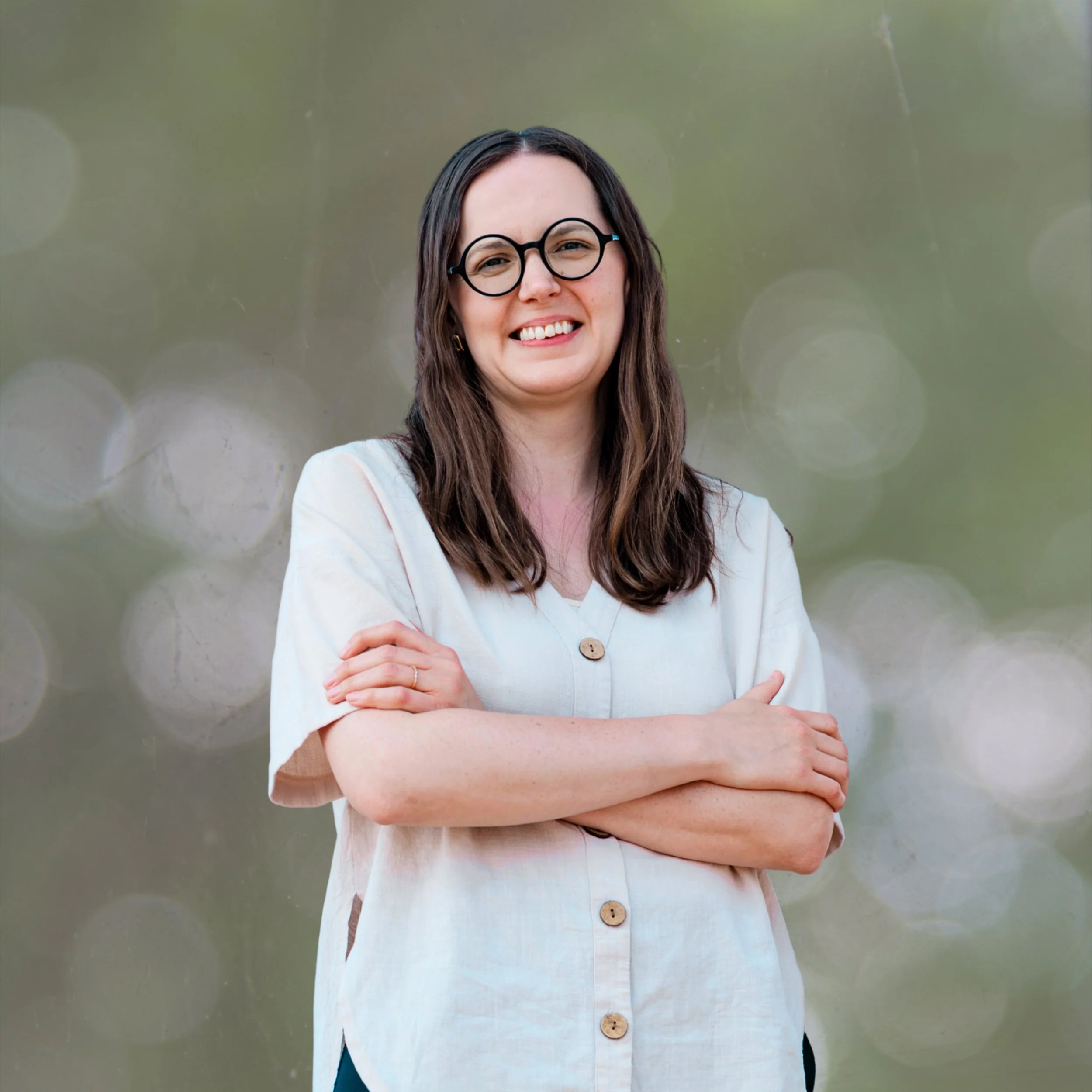
For 15+ years, I’ve helped organizations raise awareness of their life-changing work.
I’m a nonprofit communications leader who has dedicated my career to purpose-driven work. Like so many, I entered the sector with wide-eyed wonder and a longstanding dream of changing the world. I’m more in touch with reality these days, have a few more wrinkles, and my love of dark humor has grown proportionately, but my drive to make a difference has remained as fervent as ever.
Throughout my time in the sector, I’ve had the opportunity to advance important causes changing our world – from healthcare access to civic innovation, from children’s rights to gender equity – by driving brand growth for a wide array of organizations. I’ve worked with nonprofits, international NGOs, UN agencies, philanthropic foundations, and in collaboration with the public and private sectors, including corporate social responsibility initiatives.
At the heart of all of it were the people whose stories made that work possible. One of the greatest privileges of my career has been building relationships and trust with those willing to open up about their lives and experiences, and ensuring those stories are shared with the care and dignity they deserve.
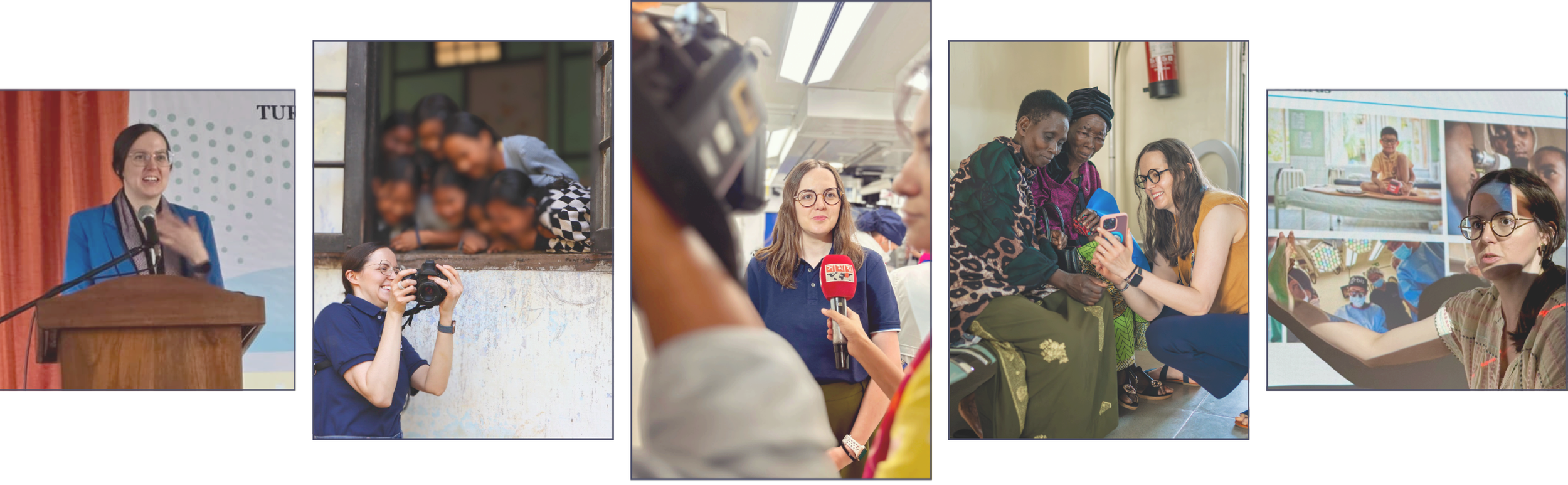
Some of my most visible accomplishments include:
Overseeing high-profile media opportunities with outlets like The New York Times, The Wall Street Journal, and PBS, as well as a full-chapter feature in a book by NYT-bestselling author Mary Roach
Managing cross-sector collaborations with global brands, including FedEx, the Smithsonian, and OMEGA / Swatch, that generated millions in promotional value
Shaping communications strategies and public narratives through rebrands, global and political upheaval, leadership transitions, and crises
Serving as an on-the-record spokesperson and traveling worldwide to oversee major network shoots, influencer activations, and VIP visits
Building training programs that equipped hundreds of professionals around the world with essential communications skills
But it wasn’t the most visible work that transformed how I thought about what communications could achieve.
Some of the work I found most rewarding and transformative unfolded quietly behind the scenes: pushing organizations to align their internal realities with the values they communicated externally, building and cultivating teams where trust and psychological safety were the baseline, and leading with care and humility while still holding a high standard for excellence.
On many occasions, I chose to communicate vulnerably with my teams about the challenges of leadership, bring them into tough decisions I was weighing, or explain the thinking behind where I ultimately landed. In short, I tried to bring people along, to help them feel involved and knock down some of the hierarchy that can separate leaders from their teams. And whenever I worried whether being that open might have cost me respect, those were often the moments when I’d receive a note or comment that told me the exact opposite.
That experience was reinforced in formal feedback from my teams, where people not only described me as a “master of impactful storytelling and brand protection” but also shared that they felt “valued, safe, respected, heard, and able to contribute fully.” They described a leadership style rooted in “drawing out the best in others” and said it made them want to “show up as your best self for every project and every task.”
Less visible, I was learning, didn't mean less important or less impactful.
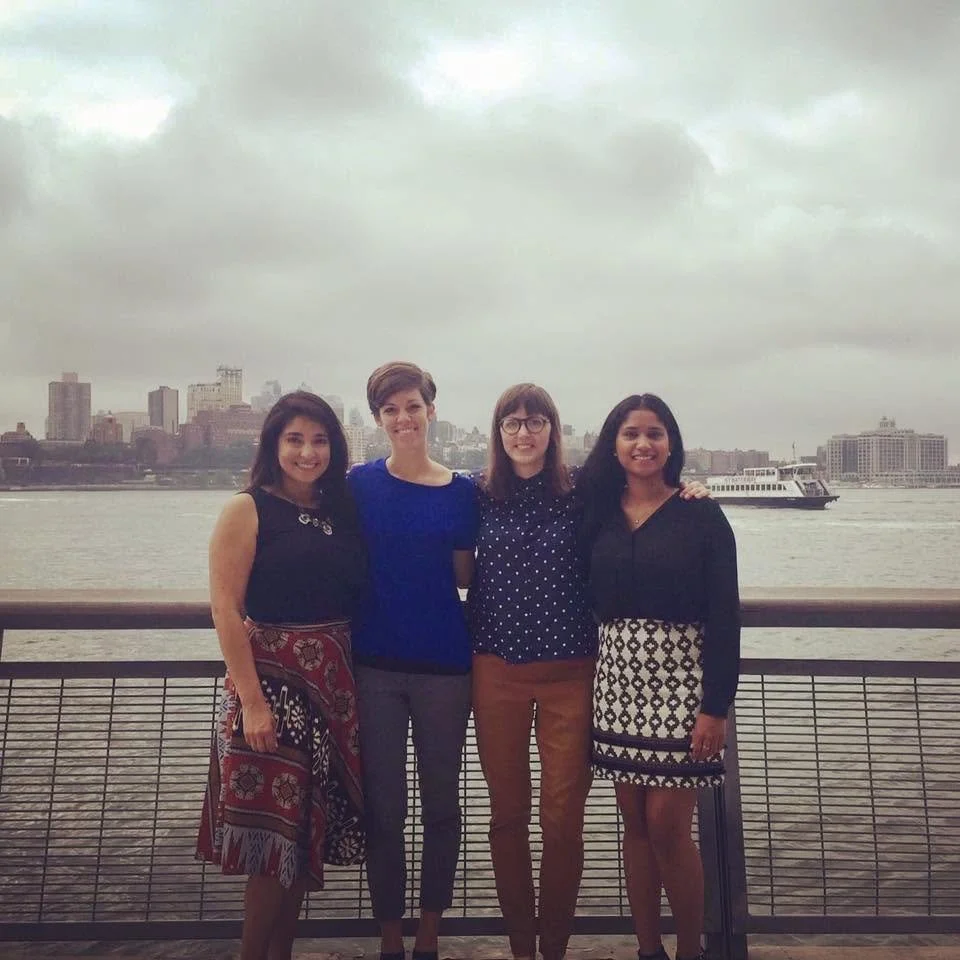
Once I knew what was possible, I started to see what was missing, and what it was costing.

For years, I saw organizations struggle to build support because too few people were aware of the meaningful work they were doing. I saw stories meant to build support undermine trust by casting the organization as the hero or reducing people to their hardship, at odds with the very values the work was meant to uphold. And I saw organizations become so focused on changing the world that they overlooked what doing that work was asking of their own people.
Rarely was any of it intentional, but that didn’t change the impact. Over and over, I watched some of the most dedicated change-makers I know begin to burn out. Many pulled back from the work because they simply couldn’t keep up anymore. Others became disillusioned, then jaded. Many left the sector altogether.
Worst of all, they always seemed to be the people with the deepest passion, the biggest hearts, and the most potential to make change. The very care and drive that brought them into the sector became what the work kept drawing on, long after the demands had become unsustainable.
And then, eventually, I realized I had become one of them when I reached a level of burnout so deep that it stopped me in my tracks. The debt had built slowly and quietly for years until, suddenly, it came due, and my body forced me to pay up. I was no longer simply witnessing the consequences; I was living them.
I knew there had to be another way.
By then, I could see that communication was the thread running through all of it: from the stories organizations tell the world to the way leaders talk with their teams, communications can either build support and deepen trust or expose gaps between what organizations say and what people actually experience.
Those gaps come at a high cost. For organizations, it’s trust, talent, and support. For people, it’s agency, belonging, and well-being.
I founded Another Way to help nonprofits close those gaps because I care deeply about our sector, and I believe it deserves better.
Every day, nonprofits drive incredible change for urgent causes. That commitment to purpose should hold us to a higher standard: one where the same care and values we bring to the mission itself are also evident in how we talk about our impact and how we show up for the people who move that work forward.
That's how another way becomes possible: when we bring both brain and heart to how we make change.
Another Way: Human-Centered, Neurodivergent-Led
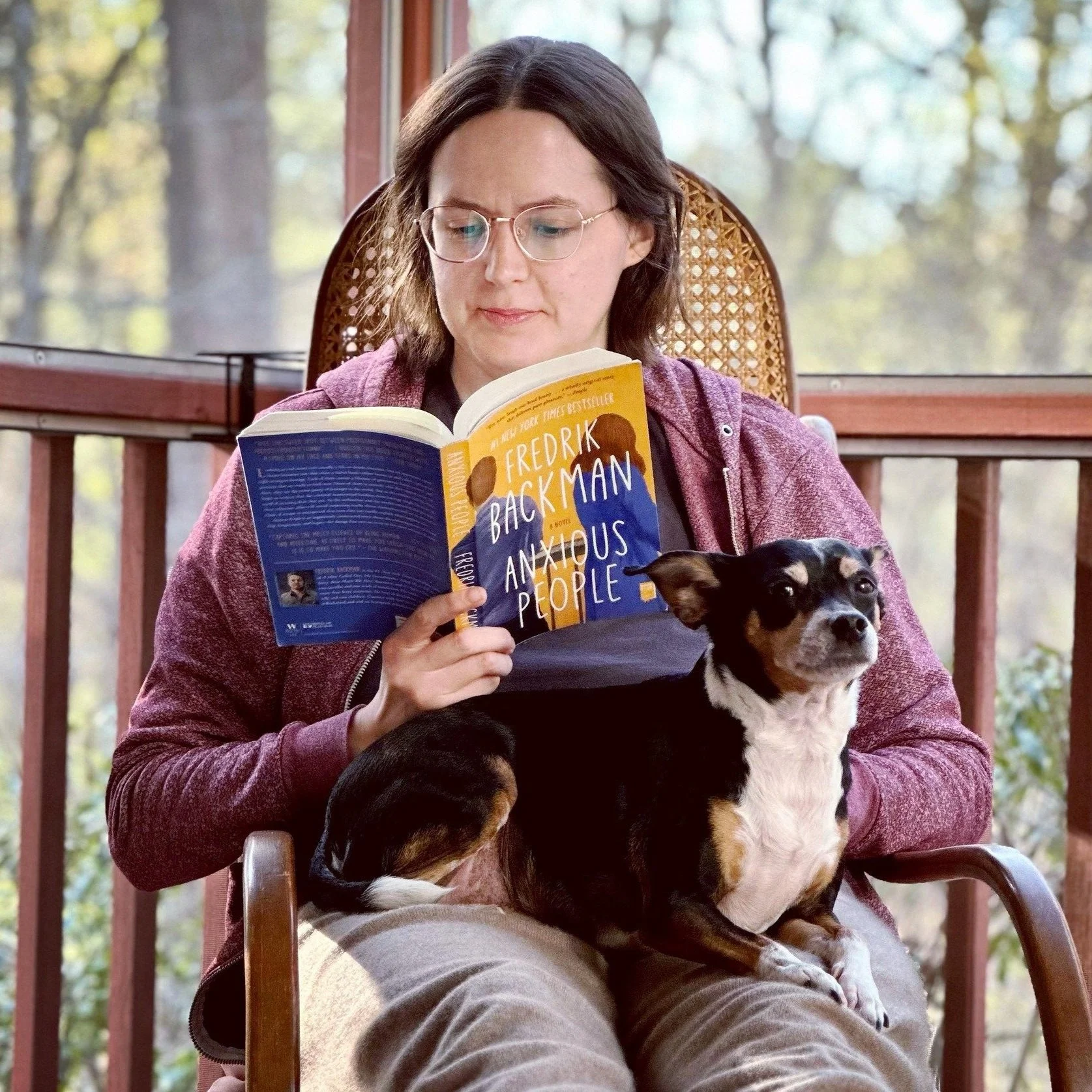
There's one more part of my story that shapes Another Way. A few years ago, I learned that I am AuDHD (autistic and ADHD). With those diagnoses, pieces that had always felt out of alignment finally began to fall into place, and I could make sense of a lifetime of feeling different without knowing why.
Even before I had a name for it, my neurodivergence shaped how I experience the world and how I work. Recognizing patterns that others may overlook helps me get to the root of challenges, connect ideas across seemingly separate areas, and see possibilities that aren't always immediately obvious. And years of navigating communication styles and environments that didn't come naturally to me have made me deeply attentive to the different ways people process information and communicate.
Those experiences have also shown me how rare it can be to find spaces where people genuinely feel able to show up as themselves, especially when some part of who they are falls outside the expected norm. Workplaces can make that particularly hard, because so many unwritten rules around professionalism and success reward fitting an established mold.
I've learned that few things build trust more deeply than openness, especially when someone with power is willing to go first. Throughout my career, I've tried to make that kind of space for others, driven in part by a desire to create what I so often needed myself.
That's a big part of why Another Way now exists, and my hope is that it can encourage all of us to think more intentionally about the belonging we create through how we communicate and lead.